 Trusted Since 2001


Quick Summary
Key points
- A dogging key is the small tool that holds a panic bar in its pushed position, so the latch stays retracted and the door works as a simple push and pull door during busy hours.
- Most panic bars use hex key dogging, an L shaped hex key turned in a small hole in the bar. Some use cylinder dogging, where a key cylinder does the same job and only key holders can dog the door.
- Hex dogging keys are not one size for every device. The Falcon and Detex keys we stock are 5/32 inch, but always confirm the size and style the device was built with.
- Fire exit hardware cannot be mechanically dogged, because a fire door has to latch every time it closes. A device on a fire door should not have a dogging hole at all.
- When a bar will not stay dogged, the usual cause is a worn dogging assembly inside the device, not the key. That part can usually be replaced on its own.
| Feature | Hex key dogging | Cylinder dogging |
|---|---|---|
| How it works | A hex key turned in a hole in the bar | A key cylinder in the bar or end cap |
| Who can dog the door | Anyone with a matching hex key | Only people with the cylinder key |
| Typical setting | Offices, retail, general buildings | Schools and sites that need control over who dogs doors |
| Parts that wear | Dogging assembly, cam, the key itself | Dogging assembly, cylinder, cam or tailpiece |
In This Guide
Every morning someone walks through the building with a small hex key and pushes in the panic bars on the front doors. At the end of the day someone else is supposed to release them. When that key goes missing, or the bar stops staying in, the entrance either latches all day or never latches at all.
This guide explains what dogging actually does inside an exit device, the difference between hex key and cylinder dogging, how to dog and undog a door properly, why fire doors are different, and which parts to order when dogging stops working.
What Does Dogging a Panic Bar Mean?
Dogging means mechanically holding the push bar of an exit device in its depressed position. With the bar held in, the latch stays retracted, so the door can be pushed or pulled open without anyone operating the bar. The term comes from the small catch, the dog, that holds the mechanism in place.
It exists because a latching exit door is slow for heavy traffic. During opening hours a dogged door lets people walk straight through. After hours the device is undogged, the latch projects again and the door is secure from the outside while still allowing free exit from the inside. Our crash bar door guide explains how the rest of the device works.
Does dogging lock the door?
No, the opposite. Dogging unlatches the door. A dogged door can usually be pulled open from the outside, which is the whole point during business hours and a security gap if it is left that way overnight.
What Is a Dogging Key?
On hex key dogging devices, the dogging key is an L shaped hex key, often with a loop or ring on the end so it can live on a key ring. It fits a small hole in the push bar or the end cap of the device.
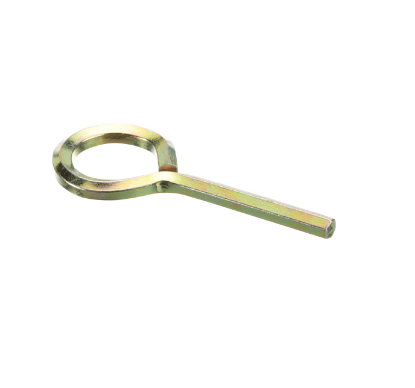
People also search for it as a panic bar key, crash bar key, push bar key or panic bar hex key. They all mean the same thing on a hex dogging device. On a cylinder dogging device, the dogging key is simply the key for that cylinder. Our panic bar parts diagram guide shows how to read the diagram and identify each part.
What size is a dogging key?
It depends on the manufacturer and the device. The Falcon 090085-89 and Detex 100450 hex dogging keys we supply both have a 5/32 inch hex tip, but that does not make 5/32 inch universal. A key that is slightly too small will round off the socket in the dogging mechanism, which turns a lost key problem into a repair. Match the key to the device brand and series rather than trying hex keys from a toolbox. Our Detex parts guide covers the main Detex ranges, part numbers and what fails.
How Do You Dog a Panic Bar?
The sequence is the same on almost every hex dogging device.
- Push the bar fully in and hold it there. The latch should be completely retracted.
- Insert the dogging key into the dogging hole while the bar is held in.
- Turn the key in the direction the device requires until it stops. Many devices show the direction on a label near the hole or on the end cap.
- Release the bar slowly. It should stay in its pushed position. If it springs back, the mechanism did not catch.
- Check the door. Pull it from the outside and push it from the inside to confirm it opens without latching.
How do you undog a panic bar?
Insert the key, turn it the opposite way and the bar returns to its extended position. Always check that the latch has fully projected and that the door latches when it closes.
How do you lock a panic bar door?
If the question is how to keep a panic bar door secure, the answer is to undog it. An undogged exit device latches when the door closes, and the outside trim decides whether anyone can get in from the outside. If the outside trim is a key operated lever or a cylinder, that is what locks the door. The inside bar should always allow free exit.
What Is Cylinder Dogging?
Cylinder dogging replaces the hex hole with a key cylinder. Turning the key dogs or undogs the device, so only people who hold that key can leave a door unlatched. It is popular in schools and other buildings where an anonymous hex key is too easy to copy or borrow.
Most exit device ranges offer it as an option, often shown as CD in the model number. Conversions are possible on many devices with a cylinder dogging assembly, such as the Adams Rite 31-0265-01-IP for applicable 8000 Series devices, which uses a mortise cylinder to hold the device dogged and is a different part from the standard hex dogging assembly.
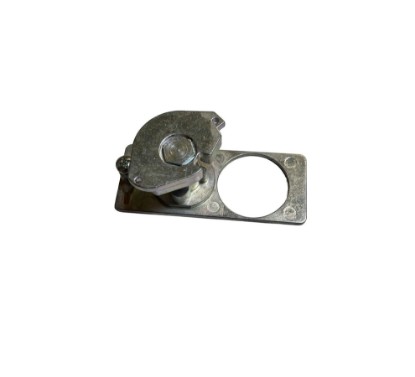
If you need the door to unlatch on a schedule or from a remote button rather than by hand, electric latch retraction is the alternative to dogging. Our guide to Von Duprin QEL vs MEL explains how the electrified options compare.
Why Can Fire Exit Hardware Not Be Dogged?
A fire rated door only does its job if it is closed and latched. If the latch were held retracted, pressure from a fire could push the door open and let smoke and flame through. For that reason, fire exit hardware is not supplied with mechanical dogging, and a device on a fire door should not have a dogging hole.
If you find a dogging hole on a device fitted to a labeled fire door, treat it as a question for whoever is responsible for the building's fire door inspections. The device may be the wrong type for that opening. Any electric latch retraction on a fire door has to be arranged so the door latches in a fire condition, and what is permitted is decided by the authority having jurisdiction. Our fire rated door guide and the comparison of exit devices and panic bars explain the difference between panic hardware and fire exit hardware.
| Device type | Mechanical dogging | Notes |
|---|---|---|
| Panic hardware on a non-rated door | Yes, hex key or cylinder | Ordered with or without dogging, depending on the option |
| Fire exit hardware on a labeled fire door | No | The door must latch every time it closes |
| Device ordered less dogging | No | Often used where dogging is not wanted, even on non-rated doors |
| Device with electric latch retraction | Electrically, by the access or control system | On fire doors it must release so the door latches in a fire condition |
Why Will a Panic Bar Not Stay Dogged?
When a bar springs back after dogging, the key is rarely the cause. The common culprits are:
- A worn dogging assembly. The catch or cam inside the device wears with daily use and stops holding. It is usually a replaceable part.
- A rounded hex socket. Using the wrong size key, or a tool instead of a dogging key, rounds the socket so the key spins. Replace the dogging assembly and use the correct key.
- Incomplete travel. If the bar is not pushed fully in before turning the key, the catch never engages. Check the bar travel and the latch retraction.
- Misadjusted latching on vertical rod devices. On surface or concealed vertical rod devices, rods that are out of adjustment can fight the dogging mechanism. Our concealed vertical rod guide covers rod adjustment.
- A dogging hole that has been covered or filled. Some sites cover dogging holes deliberately, and cover plates or filler kits are used when the dogging function is removed.
Replacement dogging assemblies are listed in the parts diagram for each series. The Falcon 47589559 hex dogging assembly is one example, and replacing the assembly restores dogging without replacing the whole exit device.
What should you do about lost dogging keys?
Keep a few spares with the building's keys and give staff keys on a ring rather than loose. On doors where control matters, consider cylinder dogging, so the ability to leave a door unlatched sits with key holders only.
What Should You Confirm Before Ordering Dogging Parts?
Four details settle most orders: the device brand and series, whether it uses hex key or cylinder dogging, the key size or cylinder type, and the finish if you are replacing a visible part such as an end cap or cover. For a worn mechanism, the parts diagram for your series shows the dogging assembly and any related cam or spring.
Browse exit device parts by series, or go straight to Von Duprin, Falcon or Detex parts if you know the brand. If you are not sure which device you have, our panic hardware guide explains how to identify the device type.
About the Author
Security Parts has supplied repair parts for commercial door hardware since 2001, covering Von Duprin, LCN, Schlage, Falcon, Detex and Adams Rite at the component level. Our diagram based lookup exists so a technician can confirm a part before ordering it. This guide was written by the Security Parts team from supplier documentation and the questions our customers bring us.
If a bar will not stay dogged and you cannot tell which part has failed, contact us with a photograph of the device label and the end cap, and we will help you find the right dogging part.