 Trusted Since 2001


Quick Summary
Key points
- A strike plate that is out of alignment by a couple of millimetres is enough to stop a door latching, and the fault is almost never the lock.
- Work out the direction first. Too high, too low, too shallow or too deep each have a different fix, and the lipstick or marker test shows you which within a minute.
- Shallow misalignment is a shim or a filed strike. Deep misalignment usually means the door has moved on its hinges, and moving the strike only hides that.
- The deadlocking plunger has to land on the strike plate face, not drop into the cutout. An opening that latches but can be pushed back is an alignment fault, not a lock fault.
- On a fire rated opening, filing, packing and enlarging holes are not free choices. The assembly was tested as a set, so replacement parts rather than modification is the route.
| What the door does | Most likely alignment fault | First thing to check |
|---|---|---|
| Latch hits the strike face and bounces | Latch sitting too high or too low | Witness mark on the strike plate |
| Door has to be pulled to lock | Strike too far into the frame | Gap between door face and stop |
| Latch enters but the door rattles | Strike too far out of the frame | Movement at the lock edge with the door shut |
| Latches, but can be pushed back open | Plunger dropping into the cutout | Where the plunger lands on the plate |
| Catches only in warm weather | Door or frame movement, not the strike | Hinge screws and frame fixings |
In This Guide
- What Does It Mean to Align a Door Strike Plate?
- How Do You Know Which Direction the Strike Is Out By?
- How Do You Align a Door Strike Plate Step by Step?
- When Should You Shim a Strike Instead of Filing It?
- What Is the Deadlocking Plunger and Why Does Alignment Affect It?
- How Do You Align a Strike Plate on a Fire Rated Door?
- What Do You Do When the Screw Holes Are Worn?
- When Is the Strike Not the Problem at All?
- About the Author
A door that will not latch is one of the most common calls in commercial door hardware, and one of the most commonly misdiagnosed. The lock gets replaced, the latch gets replaced, and the door still bounces back off the frame, because the problem was never in the door at all.
This guide covers how to align a door strike plate properly: how to find the direction of the error, how to correct it, when to move the strike and when to leave it alone, and what changes on a fire rated opening.
What Does It Mean to Align a Door Strike Plate?
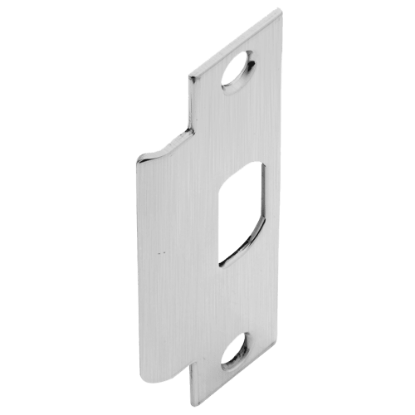
Alignment means the latch arrives at the strike opening squarely, enters it without touching the edges, and projects far enough into the frame to hold.
Three dimensions have to be right at once. Height, so the latch meets the cutout rather than the plate above or below it. Depth, so the latch projects into the frame by its full throw with the door closed against the stop. And squareness, so the latch is not entering at an angle that loads one side of the cutout.
Get any one of them wrong and the door reports it differently, which is why the direction of the error matters more than the fact of it. If the strike plate itself is unfamiliar, our strike plate guide covers the component before the adjustment.
Is this the same as adjusting a door strike plate?
In practice people use both phrases for the same job. Adjusting tends to mean small corrections to an existing strike. Aligning covers the whole exercise, including deciding that the strike is in the right place and the door is not.
How Do You Know Which Direction the Strike Is Out By?
Mark the latch and let the door tell you.
Put a line of marker, chalk or lipstick across the face of the latch bolt, close the door normally, and open it again. The transfer mark on the strike plate shows exactly where the latch is landing. A mark above the cutout means the latch is sitting high. A mark below it means low. A mark on the lip means the latch is arriving at an angle or the door is not reaching the stop.
The test takes a minute and removes the guesswork that leads to filing a strike that was never in the wrong place.
What if the mark lands inside the cutout but the door still will not latch?
Then the problem is depth rather than position. The latch is finding the hole but not projecting far enough into the frame to be held. That usually means the door is stopping short, and the gap between the door face and the frame stop is the measurement to take next.
| Where the mark lands | What it means | Usual correction |
|---|---|---|
| Above the cutout | Latch is high relative to the strike | Lower the strike or lift the door on its hinges |
| Below the cutout | Latch is low relative to the strike | Raise the strike or correct hinge sag |
| On the lip, towards the stop | Door is not closing far enough | Check the stop, gasketing and closer |
| Inside the cutout, shallow | Latch not fully entering | Deepen the mortise or shim the strike |
| Clean, no mark, door still loose | Strike set too far out | Reset strike depth |
How Do You Align a Door Strike Plate Step by Step?
Work in a fixed order so each step rules something out rather than introducing a new variable.
Start by checking the hinges. Every hinge screw tight, no movement at the leaf, no visible drop at the lock edge. A door that has sagged will present its latch low, and no amount of strike adjustment fixes a hinge.
Next, close the door slowly by hand and watch the latch meet the frame. Slow closing shows you things that normal closing speed hides, including a latch that is clipping the lip before it reaches the cutout.
Then run the marker test and read the direction. Only after that do you touch the strike.
How much can you move a strike plate?
Less than people expect, because the fixing holes constrain it. Small corrections are usually made by filing the cutout edge slightly, packing behind the plate, or replacing the strike with one whose cutout sits differently. Larger corrections mean repositioning the plate and plugging the old screw holes, which is a frame repair rather than an adjustment.
When Should You Shim a Strike Instead of Filing It?
Shim when the latch is not reaching far enough into the frame, or when the door sits loose against the stop with the latch engaged.
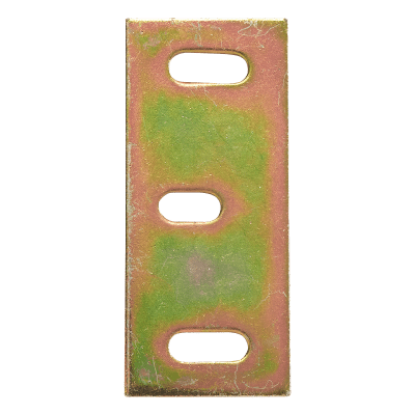
A shim strike is a stocked part rather than something to improvise from washers. Packing behind a strike with whatever is to hand changes how the plate sits in its recess, and a plate that is no longer flat will eventually loosen its fixings under impact.
File only when the latch is clipping a cutout edge by a very small amount, and only on a non rated opening. Filing removes material permanently and makes the hole larger in one direction, which is a one way adjustment.
Does the strike box matter?
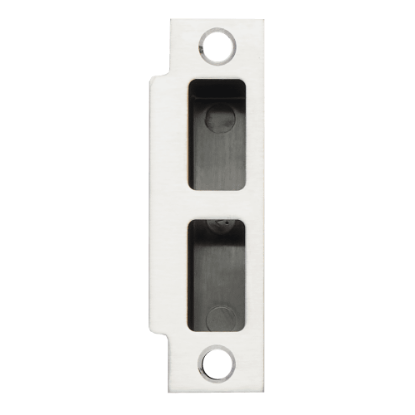
It does on hollow metal and timber frames. The box lines the cavity behind the plate, stops debris collecting in it, and gives the latch somewhere clean to sit. A missing or crushed box is a common reason a latch enters but does not sit properly, and it is easy to miss because the plate looks correct from outside.
What Is the Deadlocking Plunger and Why Does Alignment Affect It?
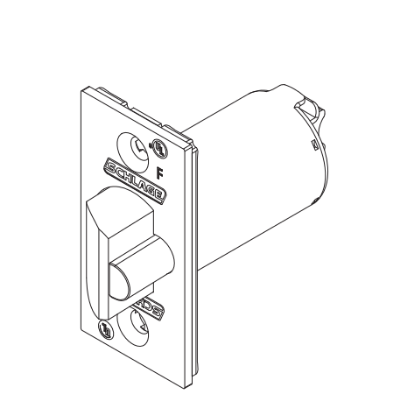
It is the small auxiliary pin that sits beside the main latch bolt. When the door closes, the plunger is held in by the face of the strike plate, which in turn stops the main latch being pushed back from outside.
Alignment decides whether that works. The plunger has to land on the solid face of the plate. If it drops into the cutout alongside the latch, it is no longer held in, and the latch loses its deadlocking.
The symptom is specific and easy to recognise. The door latches, feels normal, and can then be pushed open by hand with moderate pressure. That is an alignment fault, not a lock fault, and no new lock will cure it.
How do you check the plunger is landing correctly?
Close the door and look at the gap at the latch edge with a torch, or mark the plunger as well as the latch for the transfer test. If the plunger mark falls inside the cutout outline, the strike needs moving or replacing with one whose cutout is positioned differently relative to the plate face.
Our strike plates and deadlatches parts guide covers how the latch, plunger and plate are supplied as separate items.
How Do You Align a Strike Plate on a Fire Rated Door?
Carefully, and with replacement parts rather than modification.
A fire rated opening is tested and labelled as an assembly. The door, frame, hinges, closer, latch and strike were certified together, and site modification can take the assembly outside what was tested. Filing a strike cutout, enlarging holes or packing behind a plate with uncertified material all fall into that category.
What remains available is correcting the cause rather than the symptom: tightening or replacing hinges, correcting a sagging door, replacing a damaged strike with the correct listed part, and adjusting the closer so the door reaches the stop. Our fire rating guide covers what is and is not permissible on a rated assembly.
What about an accessible opening?
Alignment affects the force needed to open the door, which is a measured requirement on accessible routes. A latch that is binding in a misaligned strike adds resistance that a user has to overcome, so this is not purely a convenience issue. Our door clearance guide covers the dimensional requirements around the opening.
What Do You Do When the Screw Holes Are Worn?
Move to longer fixings into solid material, or plug and redrill.
Worn holes are common on openings that have been adjusted several times, and they produce a strike that creeps back out of position within weeks of being set. Retightening the same screws into the same enlarged holes is the one approach that reliably fails.
Screw packs are stocked as separate items for exactly this reason, and matching the drive type to the existing hardware avoids chewing the heads on the next visit.
Should the strike be reinforced?
On a high traffic opening, or one that has taken a forced entry attempt, a frame reinforcer spreads the load behind the plate instead of leaving it on the frame skin alone. It is worth considering whenever you are already taking a strike off a door that has a history of failing in the same way.
When Is the Strike Not the Problem at All?
More often than the call suggests. Several faults present as a door that will not latch, and three of them live elsewhere.
| Actual cause | How it presents | How to tell |
|---|---|---|
| Hinge wear or loose screws | Door drops, latch arrives low | Lift the door at the lock edge and watch for movement |
| Closer latch speed too slow | Door rests against the stop without latching | Push the door shut by hand, it latches |
| Gasketing or seals too thick | Door stops short of the frame | Measure the gap at the stop |
| Latch itself sluggish | Latch does not spring out fully | Operate the latch with the door open |
| Frame movement | Intermittent, often seasonal | Behaviour changes with temperature or humidity |
A door that fails to latch only when the closer brings it shut, and latches every time by hand, is a closer adjustment. Our guide on how to stop a door from slamming covers the latch speed valve that controls the final few degrees, and the hardware troubleshooting guide covers the wider set of symptoms.
What should you record before leaving the opening?
What you changed, and what you measured. Strike alignment is one of the few hardware faults that tends to come back, because the underlying movement in the door or frame continues. A note of the original witness mark position and the correction applied makes the second visit much shorter than the first.
About the Author
Security Parts has supplied repair parts for commercial door hardware since 2001, covering Von Duprin, LCN, Schlage, Falcon, Detex and Adams Rite at the component level. Our diagram based lookup exists so a technician can confirm a part before ordering it. This guide was written by the Security Parts team from supplier documentation and the questions our customers bring us.