 Trusted Since 2001


Quick Summary
Key points
- The tool most people mean by a Schlage lever removal tool is a spanner wrench. It releases the lever or knob by engaging a small catch, not by unscrewing anything visible.
- There is no visible fixing on most commercial levers by design. The retaining feature is hidden so that nobody can remove the trim from the corridor side with a screwdriver.
- Spanner buttons and plunger assemblies are the parts that catch is made from. When a lever will not release even with the correct tool, one of those has usually worn or seized.
- Emergency key tools are a different item solving a different problem. They open privacy functions from outside, they do not remove trim.
- Forcing a lever off without the tool damages the rose, the hub and often the chassis, which turns a trim job into a lock replacement.
| Tool | What it does | When you need it |
|---|---|---|
| Spanner wrench | Releases the lever or knob from the chassis | Removing trim for service or replacement |
| Emergency key tool | Operates a privacy function from outside | Getting into a locked restroom or changing room |
| Cylinder nut tool | Tightens or releases a cylinder retaining nut | Cylinder work behind exit device trim |
In This Guide
- What Is a Schlage Lever Removal Tool?
- How Does the Hidden Catch Actually Work?
- How Do You Use a Spanner Wrench on a Lever?
- When Do You Actually Need to Take a Lever Off?
- How Do You Keep Levers From Working Loose in the First Place?
- What Is the Difference Between a Removal Tool and an Emergency Key Tool?
- Which Other Service Tools Do You Actually Need?
- Does the Tool Differ Between Schlage Series?
- What Should You Check Once the Lever Is Off?
- How Do You Order the Right Tool and Parts?
- About the Author
Someone needs to take a lever off a door, finds no screws anywhere, and concludes the lock is riveted together. It is not. The fixing is deliberately hidden, and there is a specific tool for it.
This guide covers what that tool is, what the hidden catch actually consists of, what to do when the lever will not come off even with the tool, and which of the other service tools you are likely to need alongside it.
What Is a Schlage Lever Removal Tool?
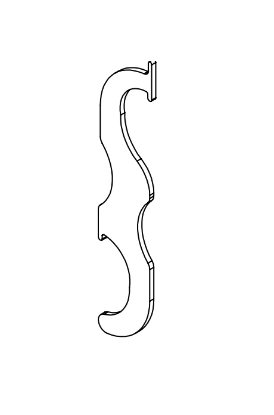
It is a spanner wrench: a small flat tool with a pin or a formed end that reaches into a hole in the lever or rose and depresses the catch holding the trim on.
Press the catch, pull the lever, and it comes away from the chassis. No force, no levering, no screwdriver damage to the rose.
Why is the fixing hidden in the first place?
Security. If a lever could be removed with a screwdriver from the corridor, anybody could take the trim off the unsecured side of a locked door and reach the mechanism. Hiding the catch and requiring a specific tool removes that option.
It also keeps the door looking right. Visible fixings on a lever rose age badly and collect dirt, and on a reception door that matters.
How Does the Hidden Catch Actually Work?
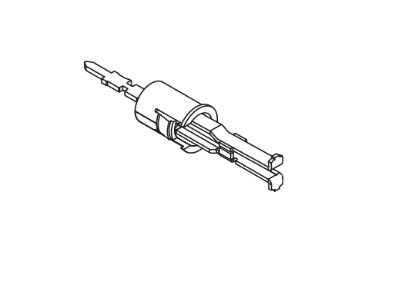
A small spring loaded button sits in the lever or the sleeve behind it, projecting into a recess. While it is projecting, the lever cannot slide off. Depress it and the lever is free.
That button is a stocked part in its own right, because it is small, it is sprung, and sprung parts wear.
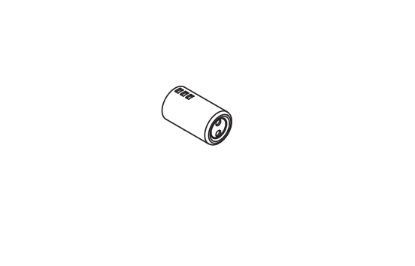
On some assemblies the button works with a plunger behind it rather than sitting directly in the lever, and that plunger assembly is listed separately again.
How Do You Use a Spanner Wrench on a Lever?
The sequence is short, and the whole skill is in finding the hole.
Look at the underside of the lever where it meets the rose, and at the rose itself. There will be a small hole, often less than three millimetres across, easy to mistake for a blemish in the casting. Insert the tool, press firmly and squarely until you feel the catch give, then draw the lever straight off the spindle while keeping the pressure on.
| Problem | Cause | What to do |
|---|---|---|
| Cannot find the hole | Paint, dirt or the lever is rotated | Turn the lever through its travel and look again |
| Catch will not depress | Seized button, or the wrong tool size | Confirm the tool matches the series before applying force |
| Catch depresses, lever stays on | Plunger assembly, or corrosion on the spindle | Work the lever while keeping pressure on the catch |
| Lever comes off, will not go back | Button not resetting, or fitted out of alignment | Check the button moves freely before refitting |
What if you do not have the tool?
Get one before you start. A small screwdriver or a nail will sometimes depress the catch, and it will also scar the rose, round off the hole and occasionally push the button out of position so the lever will not relock onto the spindle afterwards.
The tool is inexpensive next to a replacement lever assembly, and far cheaper than a chassis.
When Do You Actually Need to Take a Lever Off?
More often than people expect, and rarely because the lever itself is the problem.
Trim comes off to reach the chassis, to change a cylinder on some functions, to convert a knob to a lever, to replace a worn rose, to swap a handing, and to fit or service an electrified component inside the lock. On a refurbishment it comes off simply so the door can be painted properly.
| Job | Why the lever has to come off |
|---|---|
| Chassis replacement | The chassis cannot come out through the trim |
| Knob to lever conversion | The old trim has to be removed before the new fits |
| Rose replacement | The rose sits behind the lever |
| Electrified component service | Access to the inside of the lock |
| Decoration | Painting around trim never looks right afterwards |
| Diagnosing a sluggish latch | Proving whether the fault is trim or chassis |
Is it worth removing trim just to diagnose?
Yes, on any door where you are about to spend money. Operating the latch directly with the trim off takes two minutes and tells you immediately whether the lever, the spindle or the chassis is at fault. Without that step you are ordering on a guess, and trim and chassis parts are very different amounts of money.
How Do You Keep Levers From Working Loose in the First Place?
Most loose levers are not a parts problem, they are a load problem. People pull doors shut by the lever, lean on it while talking, and hang bags from it, and the trim takes that side load thousands of times a year.
Three things reduce it. A door closer set so the door shuts properly on its own, which removes the reason to pull it closed by the handle. A pull on the opposite face where people need something to grab. And catching a loose rose early, because a rose that is allowed to move will wear its seat in the door face and then nothing will stay tight.
Where a door is genuinely abused rather than simply busy, the honest answer is heavier trim rather than more frequent tightening. A door that has had the same lever retightened three times in a year is telling you something the maintenance log will not.
What Is the Difference Between a Removal Tool and an Emergency Key Tool?
They get confused constantly because both are small, flat and kept in the same drawer, and they do completely different jobs.
An emergency key tool operates a privacy function from the outside. On a restroom or changing room door the inside has a turn and the outside has a small slot or hole, and the tool releases that lock so somebody can be reached.
Every building with privacy function doors should have these accessible to staff, not locked in a maintenance store. That is the entire point of the function.
Which Other Service Tools Do You Actually Need?
Three come up repeatedly once you are working on commercial trim.
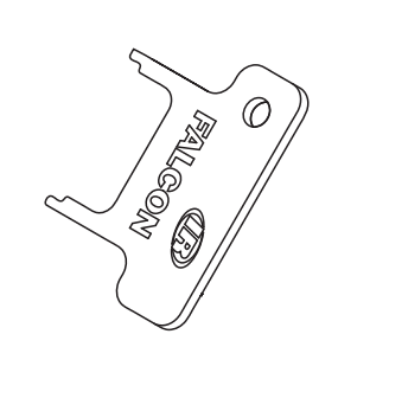
A cylinder nut tool, for tightening or releasing the retaining nut behind exit device trim where there is no room for anything else.
Hex keys in the right sizes, because dogging on exit devices and several arm fixings on closers use them, and a rounded socket is a part replacement rather than an annoyance.
And a control key if the site runs interchangeable cores, because without it a core swap becomes a destructive job. Our Schlage lock cylinder replacement guide covers that.
Does the Tool Differ Between Schlage Series?
Yes, enough to matter. The catch position, the hole size and the shape of the engagement differ between families, so a tool that works perfectly on one series may not reach on another.
This is the main reason to check the tool against the series you are working on rather than buying the first one you find. A tool that nearly fits is the thing that rounds out the hole.
Our guides to the L Series parts diagrams and the 09-506 outside lever show how the trim assembles on those families.
What Should You Check Once the Lever Is Off?
Four things, while you have access that you will not have again without repeating the job.
The spindle, for rounding or twist. The button and plunger, for free movement. The rose seat in the door face, for wear that will let the new trim work loose. And the chassis itself, by operating the latch directly, to confirm the problem really was the trim.
That last check saves the most time. If the latch is sluggish with the trim removed, fitting a new lever will not fix anything. Our Schlage door knob parts guide covers which trim components are separately available.
How Do You Order the Right Tool and Parts?
| Item | What decides it |
|---|---|
| Spanner wrench | The lock series and trim family |
| Spanner button | The assembly it fits, not the lever design |
| Plunger assembly | The series, confirmed from the existing part |
| Emergency key tool | The privacy function and indicator type on the door |
| Cylinder nut tool | The exit device trim it serves |
If a site has more than a handful of doors on one family, buy the tool once and keep it with the keys rather than ordering it again on every call. Browse Schlage replacement parts, or the Schlage lock parts overview for the wider range.
About the Author
Security Parts has supplied repair parts for commercial door hardware since 2001, covering Von Duprin, LCN, Schlage, Falcon, Detex and Adams Rite at the component level. Our diagram based lookup exists so a technician can confirm a part before ordering it. This guide was written by the Security Parts team from supplier documentation and the questions our customers bring us.
If you cannot find the hole on an unfamiliar lever, send a close photograph of the lever and rose through our contact page and we will tell you which tool it takes, or browse cylindrical lock parts and mortise lock parts.