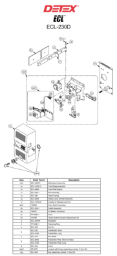
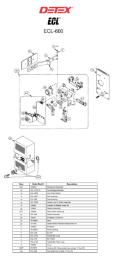
The Detex ECL-293A Detent Lever & Roller Assembly is a genuine OEM replacement mechanism component used in compatible Detex ECL Series Exit Control Locks. It restores the detent lever and roller function within the device mechanism.
The Detex ECL-293A is the detent lever and roller assembly for the Detex ECL-230D and ECL-600 Series exit control locks - listed as part 1e in the official Detex ECL-230D Parts Price List. It works alongside the ECL-284 detent spring. The spring provides the tension; the ECL-293A provides the positioning. Together they form the complete detent mechanism inside the ECL-230D lock body. If one goes, the deadbolt stops holding position correctly and the alarm trigger becomes unreliable.
What the Detent Lever Actually Does
A detent is a mechanical stop. A roller on the lever rides along the bolt cam as the deadbolt is thrown. When the bolt reaches the fully locked position, that roller drops into a machined notch in the cam - spring tension from the ECL-284 holds it there with a firm, positive click. The deadbolt doesn't drift, doesn't rattle, stays put.
That sounds simple, but it's doing two jobs at once. The mechanical one is obvious: bolt stays locked. The electrical one matters just as much. The position of the detent lever ties into the switch assembly (ECL-204-1). When the ECL-230D is armed and someone pushes the paddle bar, the interaction between the paddle bar, the detent lever, and that switch is what fires the 100 decibel alarm. A worn roller, a fatigued lever body, or incorrect cam engagement - any of those can cause false alarms, missed alarm triggers, or an alarm that trips inconsistently. All three are ECL-293A failure symptoms worth knowing before you start chasing other causes.
The ECL-230D and ECL-600: What These Devices Are
The ECL-230D has been the industry-standard alarmed exit control lock for secondary exits for over 30 years. It's a battery-powered deadbolt panic device - 9-volt battery, 100 decibel siren, 1" saw-resistant throw deadbolt inside a cast aluminum attack-resistant housing. Locking or unlocking the deadbolt with the control cylinder automatically arms or disarms the alarm. There's no way to separate those two functions. Reset after an alarm activation requires the control key from inside. No external reset available.
The housing handles serious abuse. Detex confirms the multipoint TDB version withstands over 2,200 lbs of outside pull force. The ECL-230D itself handles standard secondary exit applications on wood, hollow metal, and aluminum doors from 1-3/4" to 2-1/4" thick. Non-handed. UL listed for panic hardware. ADA compliant.
The ECL-600 is the fire-rated version in the same family - code compliant, relatching, with the same steel plate and photo-luminescent sign arrangement. Both the ECL-230D and ECL-600 share the ECL-293A detent lever. One part number, two devices covered.
Detex ECL-230D Parts: What Surrounds the ECL-293A
The detent lever sits in the mechanism block alongside several other individually replaceable parts in the ECL-230D catalog. The ones you'll most commonly need alongside it:
ECL-284 - Detent Spring. This is the companion part. Replace both at the same time when diagnosing detent failures - servicing one without the other leaves the root cause partially addressed.
ECL-1576-15 - Cam Bridge Assembly. The cam the roller rides on. If the roller notch is worn on the cam rather than the lever, this is the part.
ECL-306-1 - Bolt Assembly. The deadbolt itself. Usually outlasts the detent components significantly, but worth inspecting when the ECL-293A is out.
ECL-1576-20 - Actuator and Release Lever Kit. The release side of the mechanism.
ECL-204-1 - Switch Assembly. If the ECL-293A replacement doesn't resolve alarm trigger issues, this is next on the diagnostic list.
 Trusted Since 2001